
You’re reaching for a beaker of who-knows-what, running late, and you think, I’ll just skip the lab coat this once. That split-second decision to leave your lab coat hanging on the hook can turn a routine experiment into a genuine emergency, from chemical burns to biological contamination you never saw coming.
We’ll go through the real risks, whether lab coats are required by law (often, yes), and what to do if you’re ever without one or exposed.
Main Risks of Not Wearing a Lab Coat
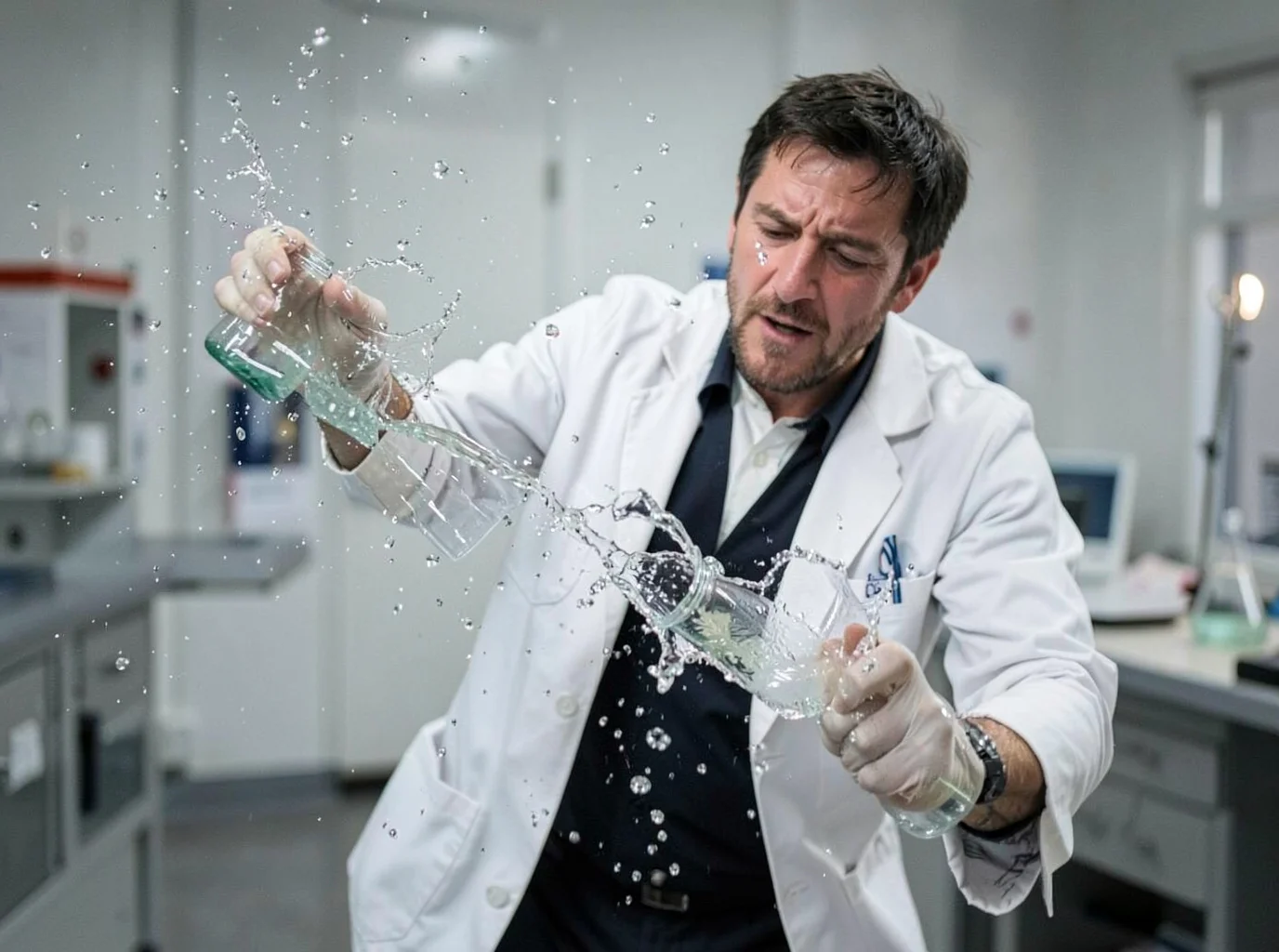
Skin is not a chemical barrier. It’s porous, it absorbs, and it burns, and without a lab coat standing between you and whatever’s in that flask, your body becomes the first line of defense.
1. Chemical Splash Exposure
Lab coats protect against incidental splashes, spills, and sprays- the everyday mishaps that happen even to careful, experienced people. Without one, your skin and personal clothing take the hit directly. Acids, solvents, and carcinogens don’t wait for a good moment to spill.
2. Burn Risk From Flammables and Fire
Standard lab coats aren’t fireproof. But flame-resistant lab coats slow fire spread and self-extinguish once ignition stops. That’s a critical difference when you’re working near pyrophorics, flammable liquids, or open flames. Without proper lab attire, a small flare-up can turn into a serious burn. That’s why lab safety regulations often specify FR-rated coats for anyone handling ignition sources.
3. Biological Hazard Protection
In biosafety settings, a lab coat is your barrier against bacteria, viruses, and recombinant DNA materials. Without one, contamination doesn’t stay contained; it reaches your skin, your clothes, and follows you right out the door.
4. Radiological and Particulate Contamination
Lab coats also block radioactive materials, nanoparticles, and ultra-fine particulates. Without the coat, you’re more likely to carry invisible contaminants on your clothing onto other surfaces, other rooms, other people.
5. Cross-Contamination Beyond the Lab
Contaminated clothing can transfer chemicals or biological material to your office, your home, your laundry, shared spaces. That’s why many labs prohibit wearing coats outside designated areas, and why home laundering is often banned outright.
Higher Severity When Something Goes Wrong
A lab coat acts as a removable barrier during unexpected events like spills, small explosions, and sudden chemical releases. Without one, your body is more exposed when things go sideways, and injuries tend to be more severe.
No Coat, No Barrier—Period
Protective clothing needs to fit right and cover your torso and arms to work. But without a lab coat, there’s no barrier at all. Loose sleeves, bare forearms, exposed skin all become more vulnerable to catching on equipment, hot surfaces, or splashes you didn’t see coming.
Most institutions require a lab coat for any hazardous-material work, and they upgrade to FR-rated versions when fire risk enters the picture. It’s the minimum standard that keeps ordinary lab mistakes from becoming emergencies.
Are Lab Coats Required in Laboratories?
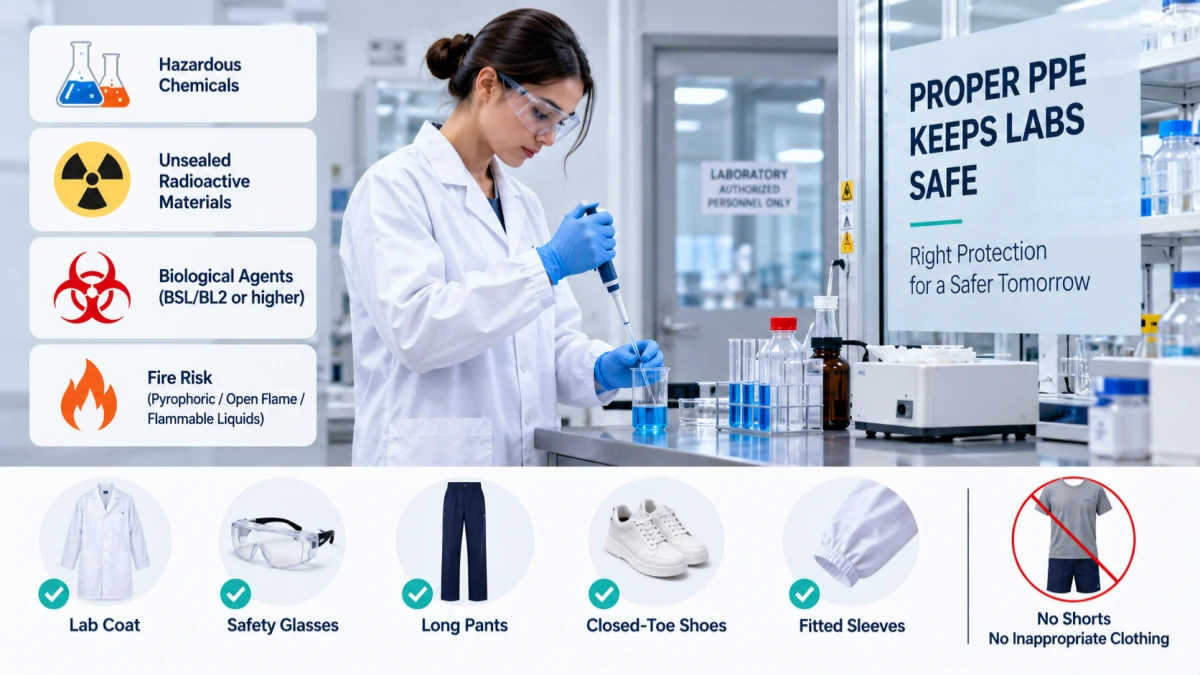
Most people miss a key nuance: lab coats aren’t required just for walking through a lab door. The requirement depends on what’s happening inside that space.
When Lab Coats Become Mandatory
Certain conditions trigger the requirement automatically:
Hazardous chemicals are in use or stored nearby
Unsealed radioactive materials are present
Biological agents at
BSL/BL2
or higher are being handled
If you’re doing desk-only work in an area isolated from these hazards, some policies allow an exemption. But the moment chemicals come out, lab coats and safety glasses become the standard—no exceptions.
Fire Risk Changes the Equation
Standard cotton or cotton-blend lab coats work fine for routine bench chemistry. Certain conditions call for flame-resistant lab coats:
Working with pyrophoric materials
Handling open flames
Using flammable liquids over 4 liters (some institutions use this as the threshold)
This isn’t overcautious rule-making. Fire spreads quickly without a coat material designed to self-extinguish.
What Pairs With the Coat Requirement?
Lab coat requirements rarely stand alone. Most policies also mandate:
Long pants (no shorts, no exceptions)
Closed-toe shoes
Full arm coverage with fitted sleeves
Loose sleeves are a hazard in a lab. They catch on equipment or dip into open containers.
Contamination Doesn’t Stop at the Door
Some lab safety regulations go further, requiring coats to be removed before leaving wet lab spaces. Wearing a contaminated coat down the hallway, into the break room, or home for laundering is often explicitly prohibited.
Most policies share a common thread: “Lab coat or equivalent protection required” whenever hazardous chemicals, unsealed radioactive materials, or BL2+ biological agents are part of the work. That baseline keeps ordinary lab days from turning into emergencies.
What Should You Do If You Don’t Have a Lab Coat?
No coat means no wet-lab work. Stop and get proper lab safety equipment before you touch another reagent. Most lab SOPs treat the lab coat as the minimum PPE. OSU Chemistry lists closed-toed shoes, ankle-length pants, safety glasses, and lab coats as the bare minimum. UMN requires coats for radioactive materials, hazardous chemicals, or biological agents.
When a Substitute Will Do
If a proper coat isn’t available, a comparable garment can sometimes fill the gap, as long as it matches the actual hazard. Disposable lab coats , aprons, and coveralls are common stand-ins. For splash-heavy or corrosive work, layer a chemical-resistant apron over whatever you’re wearing. LSU recommends rubber or vinyl aprons for large-volume corrosives and hydrofluoric acid, giving you real chemical splash protection where it counts.
When Fire Risk Raises the Bar
Pyrophorics and flammables change the game. A standard coat won’t cut it; you need a flame-resistant lab coat, ideally Nomex or equivalent, especially when handling more than four liters of flammable liquid.
If You’ve Got Nothing
Worst case, no coat and no substitute. At minimum, wear long pants, closed-toe shoes, and a shirt that fully covers your skin. Choose coats with snaps or cloth buttons so they come off fast in an emergency.
What to Do After Accidental Exposure?
Accidents happen fast, faster than you’d think. One second you’re pipetting, the next you’re staring at a splash on your wrist or a prick on your finger. What you do in the next sixty seconds matters more than almost anything else.
For Skin Splashes
Get out of contaminated clothing immediately. Every second it sits on your skin, it’s still doing damage. Then rinse, and rinse well: running water, tepid, for at least 15 minutes if you’re dealing with a poison or corrosive chemical. Don’t rush this part. People tend to wipe once and call it done. That’s not enough.
For Eyes, Mouth, or Nose
Flush eyes with clean water, saline, or a sterile irrigant- whatever’s closest and clean. If your mouth was exposed, rinse and spit; do not swallow the liquid. Same logic for your nose, just rinse with water.
For Needlesticks or Cuts
Wash the site with soap and water right away. People scrub, squeeze, or try to suck the wound, thinking that helps. It doesn’t. It can actually push contaminants deeper. Wash gently.
Don’t Guess on Poisoning
If you suspect chemical ingestion or exposure, do not induce vomiting unless poison control or a clinician tells you to. Call Poison Help at 1-800-222-1222 (U.S.) right away, even without symptoms yet. Symptoms can lag.
Watch for Red Flags
Chest tightness, coughing, excessive sweating or drooling, confusion, drowsiness, muscle twitching, eye pain, vomiting, or trouble breathing? These are not “wait and see” symptoms. Get emergency care immediately if someone isn’t alert, isn’t breathing normally, or can’t swallow.
Report It, Every Time
This part gets skipped, and it shouldn’t. Half or more of needlestick injuries go unreported. That silence has real cost, because post-exposure treatment, like PEP, antibiotics, or tetanus shots, needs to start as soon as possible to actually work. Tell your supervisor. Document the incident. Follow your lab’s exposure protocol without hesitation.
Frequently Asked Questions
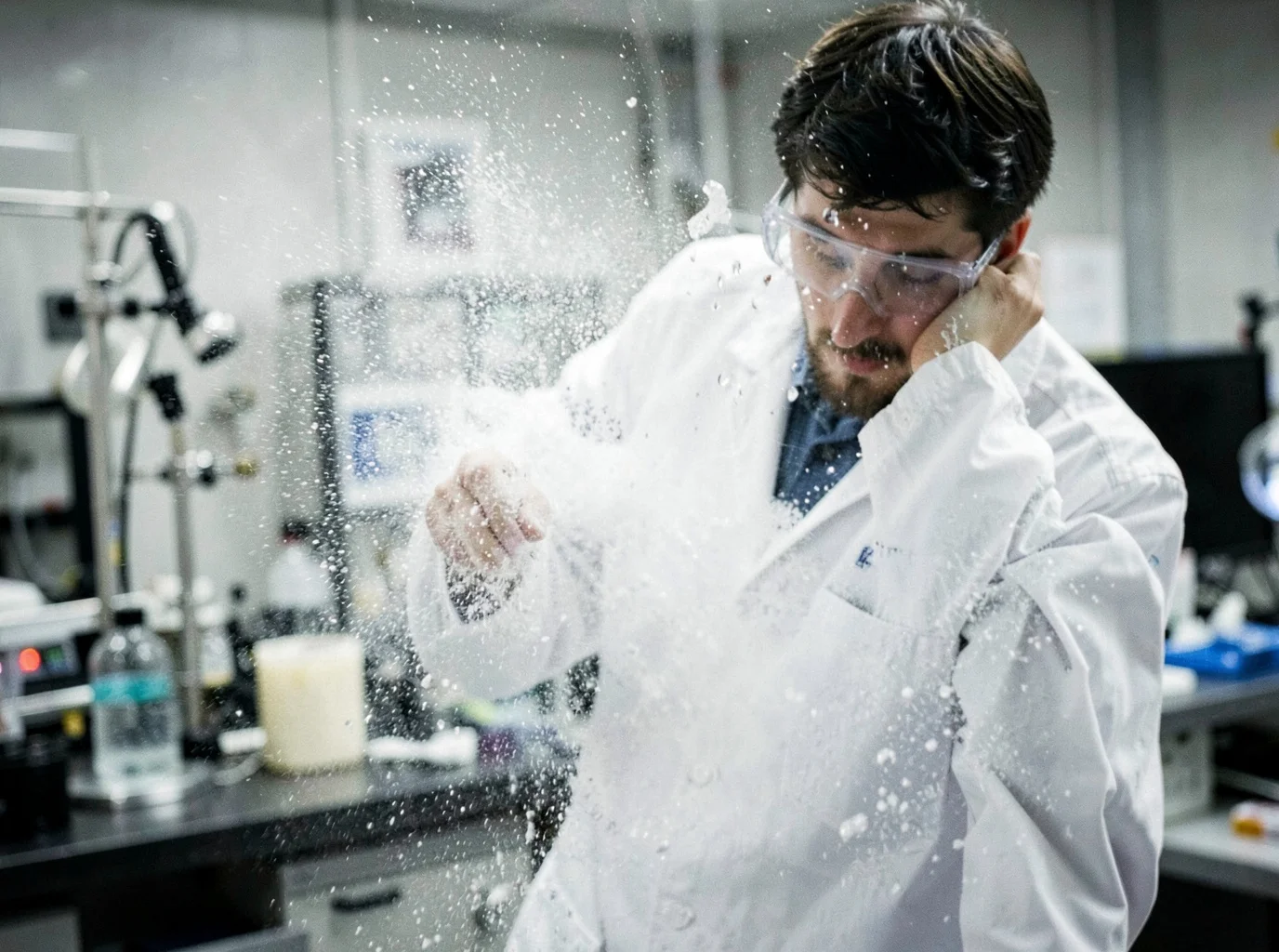
Certain questions keep coming up whenever people start taking lab coat safety seriously. Here are the answers worth having in writing.
Does OSHA actually require lab coats?
Not by name, exactly. OSHA’s PPE standard (29 CFR 1910.132) says employers must assess hazards and provide appropriate protective equipment, and for most wet-lab work involving chemicals, a lab coat is the default answer to “what covers this hazard.” So you won’t find the phrase “lab coat” written into federal law, but lab coat OSHA standards are baked into the broader requirement that employers protect workers from chemical exposure risk. Your institution’s safety office usually turns that into a specific policy, which is why campus and workplace rules can look slightly different from lab to lab.
What material makes the best lab coat?
It depends entirely on what you’re working with, and this trips people up more than it should:
100% cotton or cotton-blend — good for general bench chemistry, comfortable, but not flame resistant
Flame resistant lab coat fabric (like Nomex or treated cotton) — necessary once pyrophorics, open flames, or large volumes of flammable liquid enter the picture
Polyester blends — cheaper, but they can melt onto skin in a fire, which makes them a poor choice near heat sources
If you’re not sure which category your work falls into, ask your safety officer before assuming your coat covers you.
Can I wear my lab coat over street clothes and call it done?
Mostly, yes, but coverage matters more than people think. A lab coat should close fully, reach at least to the knee, and have sleeves that extend to the wrist. Anything shorter or looser leaves gaps for chemical splash protection to fail exactly where you need it most.
How often should a lab coat be washed or replaced?
There’s no universal number, but a few signals matter more than a calendar date:
Visible staining, holes, or thinning fabric — replace it
A known chemical spill soaked through — remove and launder or discard immediately; don’t wait
Routine use with no incidents — many labs recommend washing every one to two weeks through an in-house or certified service, not your home machine
Home laundering is often banned outright, and for good reason. You don’t want to be the reason a contaminant ends up in your family’s laundry.
Is a lab coat enough personal protective equipment PPE on its own?
No, and this is one of the most common misunderstandings. A lab coat is one piece of a layered system. Depending on the task, you’ll also need:
Safety glasses or goggles
Gloves rated for the specific chemical
Closed-toe shoes
Sometimes a face shield or respirator
Think of the lab coat as your torso’s defense. It’s not a substitute for the rest of your laboratory safety equipment, and relying on it alone leaves real gaps in your protection.
Where can I find lab coat requirements specific to my facility?
Check your institution’s Chemical Hygiene Plan or safety office first. National guidance sets the baseline, but individual labs often layer on stricter rules based on what’s actually happening on their benches.
Conclusion
Skipping your lab coat is a gamble with your skin. That piece of laboratory safety equipment is your first line of defense.
Check your lab’s PPE policy today. If your coat is thin, torn, or lacks a flame-resistant rating, replace it before an incident forces the issue. A quality flame-resistant lab coat costs less than a single ER visit or a compromised experiment, and your own safety habits set the standard for everyone around you.
Stay focused on the science, not on a burn.





