Most people with a Medicare Advantage plan don’t know they have free money available every month. The Medline OTC benefit is one of the most unused perks in the whole program.
Each quarter, your plan loads a set allowance onto your Medline OTC benefit card. That money is ready to spend on health essentials you’d buy anyway — cold medicine, vitamins, bandages, personal care products, and more.
There’s one catch: use it or lose it.
This guide shows you which items are eligible, where your card works, and how to get every dollar out of your allowance before it expires.
What Is the Medline OTC Benefit and Who Qualifies?
The Medline OTC benefit works like a dedicated health shopping allowance — funded by your insurance plan, not your own money.
Here’s the basic setup: your Medicare Advantage plan partners with Medline at Home and loads a set dollar amount onto your OTC benefit card each month or quarter. You use that balance to order from an approved catalog of health products. That includes oral care, first aid supplies, orthopedic supports, and skin care items. The money never touches your bank account. It sits on your card, ready to spend on eligible products through Medline’s approved channels.
Who Qualifies?
Not everyone with Medicare gets this benefit. Here’s who does:
-
Medicare Advantage (MA) members whose specific plan includes an OTC allowance handled by Medline — this is the most common group
-
Medicaid managed care members enrolled in a state or MCO plan that offers OTC benefits through medlineotc.com/card
-
Some commercial or employer group plan members whose coverage includes a supplemental OTC allowance
Who Doesn’t Qualify?
This part matters just as much:
-
Original Medicare (Part A & B) members — no Medline OTC benefit, full stop
-
MA or Medicaid members whose Summary of Benefits doesn’t list an OTC allowance
-
Family members or spouses — the benefit covers the enrolled member alone, no one else
Not sure where you stand? Check your plan’s welcome packet. Flip over your insurance ID card. Or log into mybenefitscenter.com to see if an OTC balance shows up. Is it there? It’s yours to use.
How the Medline OTC Card Works

Your Medline OTC card is a dedicated health wallet. Your insurance plan preloads it with funds. It covers approved health products only — and has nothing to do with your personal bank account.
The mechanics are straightforward.
Getting Started: Activate Your Card Online
Your card arrives by mail. Look for the OTC Network® or Mastercard logo on the front. Before shopping online, register at medlineotc.com/card. Have these three things ready:
-
Your OTC card number (16–19 digits on the front)
-
Your health plan Member ID
-
Your date of birth or ZIP code for identity verification
After registration, your dashboard shows your available balance right away. You’ll see something like “Quarterly Benefit: $50 | Available: $50.” That number is your spending ceiling for the period.
How does the Money Gets Applied at Checkout?
Here’s where the system earns its keep. Your cart total falls at or under your available balance? You pay nothing out of pocket. The entire order — including standard shipping — is covered by your benefit.
Your cart exceeds your balance. The system splits the bill into two:
-
Your OTC benefit covers up to your remaining balance
-
A credit or debit card you provide covers the difference
One note to keep in mind: for online and phone orders, Medline does not accept cash or checks for the overage portion.
Three Ways to Check Your Balance
Don’t guess what’s left. Check it through any of these channels:
|
Method |
Where |
Best For |
|---|---|---|
|
Online portal |
medlineotc.com/card |
Real-time balance + order tracking |
|
Benefits dashboard |
mybenefitscenter.com |
Tracking all spending across channels |
|
Phone |
833-569-2330 (TTY: 711) |
Members who prefer talking to a person |
Phone support runs Monday–Friday, 7:00 AM–7:00 PM CST. Agents can check your balance, confirm your benefit period’s expiration date, and place an order for you on the spot.
Shopping In-Store? The Card Works a Bit Differently
At any of the 65,000+ OTC Network retail locations, just hand your card over at checkout. The register scans your items. It identifies which ones qualify under your plan. Then it deducts the eligible amount from your card balance. Non-covered items — or anything over your balance — get paid the usual way.
The card handles the math. You just shop.
OTC Medicines and Health Supplements You Can Buy
Your OTC benefit card covers a wide range of products. Knowing the categories well can be the difference between spending $12 out of pocket on ibuprofen and spending $0.
The approved items list splits into two main groups: OTC medicines and health supplements. They look similar on a pharmacy shelf. They work very differently on your benefit card.
OTC Medicines: What Counts
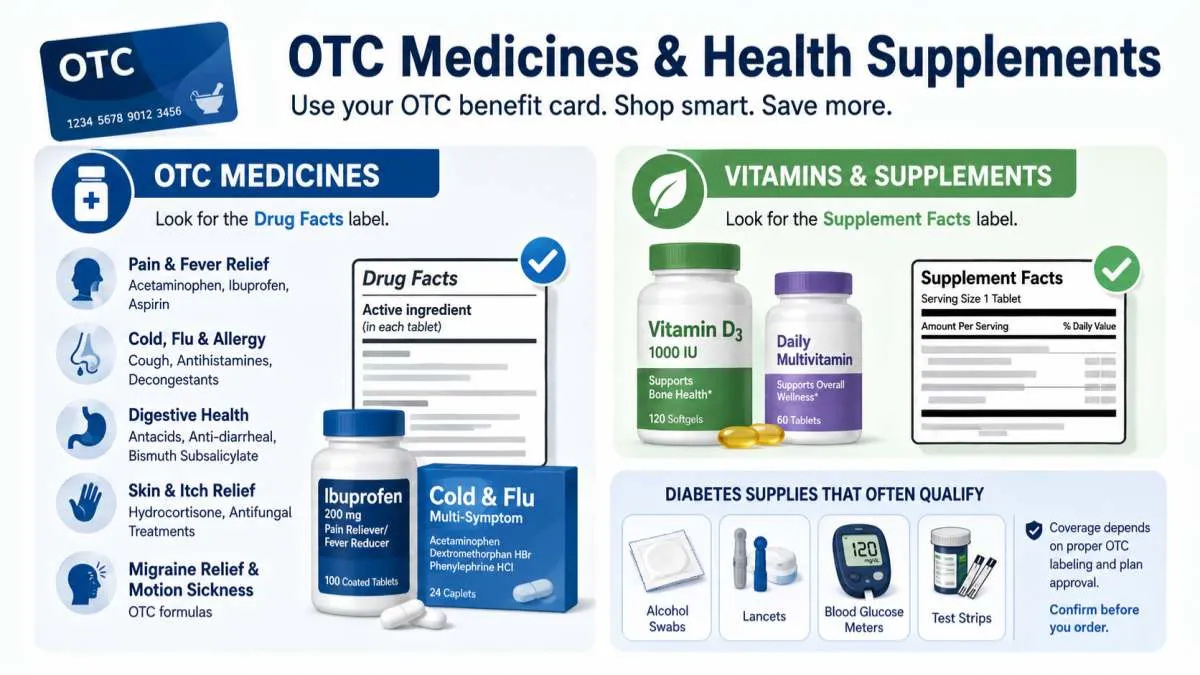
OTC medicines are regulated drugs. They carry a Drug Facts label, and the active ingredient always appears first on that label. Your Medline OTC benefit covers the most common categories people already pick up at the pharmacy:
-
Pain and fever relief — acetaminophen, ibuprofen (including brand names like Advil®), aspirin
-
Cold, flu, and allergy — multi-symptom cold remedies, cough suppressants, antihistamines, decongestants
-
Digestive health — antacids, bismuth subsalicylate products, anti-diarrheal medicines
-
Skin and itch relief — hydrocortisone creams, antifungal treatments (including athlete’s foot products)
-
Migraine relief and motion sickness — standard OTC formulas in both categories qualify
Here’s a useful tip: one symptom means you reach for a single-ingredient product. Multi-symptom cold medicines pack ingredients for aches, runny nose, and cough all at once. You need cough relief only? A targeted product goes further on your benefit balance.
Store brands are worth a close look . They use the same active ingredients at the same strength and safety standards as name brands — at a lower price point. That stretches your quarterly allowance across more items.
Vitamins and Supplements: Check Your Plan’s List First
Vitamins and supplements — multivitamins , vitamin D, calcium, B vitamins, vitamin C, zinc, fish oil, probiotics — are sold without a prescription. But they carry a Supplement Facts label, not a Drug Facts label. That difference matters because supplement coverage changes from plan to plan.
Your plan’s eligible-item catalog is the one definitive source. Don’t assume a supplement is covered just because it sits on a pharmacy shelf.
Diabetes Supplies That Often Qualify
Members managing diabetes should check whether their plan covers:
-
Alcohol swabs and lancets
-
Blood glucose meters
-
Test strips
Coverage depends on proper OTC labeling and plan approval — so confirm before you place an order.
First Aid, Wound Care, and Home Safety Items
A well-stocked first aid kit and a few smart home safety upgrades aren’t luxuries. They’re practical, preventive tools that stop small problems from turning into expensive ones. Your Medline OTC benefit card covers a solid range of items here. Most members don’t realize how far this part of their allowance stretches.
Wound Care Essentials
The approved OTC items list covers all the wound care basics you need:
-
Bandages and gauze — sterile gauze pads in 2×2″ and 4×4″ sizes, rolled gauze bandages, elastic bandages for sprains, and adhesive bandages in multiple sizes
-
Large wound dressings — island-style dressings with adhesive borders, great for post-surgical cuts or bigger abrasions
-
Medical tape — breathable cloth or hypoallergenic tape to hold dressings in place
-
Antiseptic solutions — povidone-iodine and chlorhexidine-based products for cleaning around wounds
-
Sterile saline wound wash — the go-to rinse for minor cuts; look for spray-top bottles in 250–500 ml sizes
-
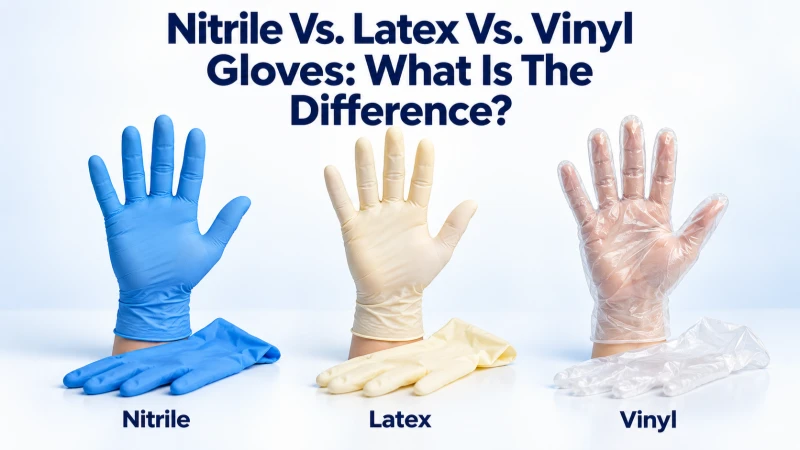
Disposable gloves — nitrile or latex, sold in multipacks
One thing to check: antibiotic ointment coverage depends on your plan. Look it up in your Medline OTC catalog 2024 before you order.
Home Safety Aids That Often Qualify
Falls are the top cause of injury for adults over 65. Many plans include home safety products on their OTC benefit card-eligible items list to help lower that risk:
-
Grab bars — rated for 220–330 lbs of load capacity; make sure your wall can support proper installation
-
Toilet safety risers — raise seat height by 2–4 inches, cutting hip and knee strain during sit-to-stand transitions
-
Reacher/grabber tools — standard lengths of 26″ or 32″, built for those with limited bending or reaching ability
-
Cold and hot packs — disposable instant cold packs and reusable gel packs for swelling or muscle stiffness
A Practical Reminder
Home safety item eligibility shifts more than standard wound care coverage does. Cross-reference your plan’s current approved catalog at medlineotc.com/card before you order. What one Medicare Advantage OTC benefit plan covers may not show up on another.
Incontinence Supplies and Personal Care Products

Incontinence affects over 25 million adults in the United States. Yet it stays one of the least-discussed topics at the doctor’s office — and one of the most expensive product categories people silently fold into their budgets each month. Your Medline OTC benefit card helps change that.
What You Can Order for Incontinence Care?
The OTC benefit card eligible items list covers the full range of incontinence essentials:
-
Adult briefs and diapers — available in light, moderate, and heavy absorbency levels. Heavy and overnight products handle 2,000–3,500 mL of fluid. Check for tab-style closures, breathable backing, and wetness indicator strips to find the right fit.
-
Protective underwear (pull-ups) — built for moderate leakage and active users. Absorbency ranges from 500–1,500 mL. Coverage is close to adult briefs, but the fit is more like regular underwear.
-
Incontinence pads and liners — lighter protection for everyday use. Most use a “drops” rating (2–8 drops of absorption). Each pad includes a disposable waterproof backing and an adhesive strip to hold it in place.
-
Underpads and bed pads — protect mattresses, wheelchairs, and furniture. Common sizes are 60×90 cm and 75×90 cm. Your plan may cover both disposable and washable versions — check your benefits to confirm.
Personal Care Products That Often Qualify
Your Medline health plan OTC products allowance also covers skin and hygiene items tied directly to daily care:
-
Perineal cleansing wipes and foams — alcohol-free, fragrance-free formulas made for sensitive skin. Heavy users can go through 20–40 wipes per day.
-
Barrier creams and ointments — zinc oxide (10–40% concentration) or petrolatum-based formulas that protect skin from incontinence-associated dermatitis. Apply a thin layer after each product change.
-
Medical-grade moisturizers — fragrance-free, pH-balanced lotions suited for fragile or aging skin. Look for glycerin, urea (5–10%), or ceramide on the label as active ingredients.
One Thing to Verify Before You Order
Original Medicare does not cover adult incontinence supplies — that’s a firm exclusion. Many Medicare Advantage OTC benefit plans do include them. Covered products and approved absorbency levels vary by plan.
Before adding items to your cart at medlineotc.com/card, pull up your plan’s current Medline OTC catalog 2024 and confirm eligibility. A two-minute check saves you from a surprise at checkout.
What’s NOT Covered: Common Exclusions to Know
Understanding what your card won’t cover is just as important as knowing what it will. Take five minutes to learn the exclusions. You’ll avoid surprise rejections at checkout.
Here’s what falls outside your Medline OTC benefit card — no exceptions.
Items Your Card Will Always Decline
Prescription drugs. A product that needs a doctor’s signature belongs under your Part D drug benefit — not your OTC allowance. Full stop.
Food and beverages. Your benefit card is a health tool, not a grocery budget. Snacks, drinks, protein shakes, functional beverages, and anything else sold as food are excluded. There is one narrow exception. Nutritional formulas that a physician deems medically necessary go through a separate channel entirely.
Tobacco and alcohol. Every OTC benefit plan on the market excludes these — no exceptions, no gray area. One thing worth knowing: nicotine patches and nicotine gum are covered under the OTC medicines category. The tobacco itself is not.
Household cleaners and paper products. Laundry detergent, dish soap, disinfecting wipes, paper towels, and toilet paper are everyday household staples — not medical supplies. These items won’t clear the register.
Gift cards and cash equivalents. Your OTC balance cannot buy gift cards, prepaid cards, or anything that converts to cash. There are no workarounds. The system blocks these purchases at a hard level.
The DME Line: Where OTC Coverage Ends
Durable medical equipment — power wheelchairs, hospital beds, stationary oxygen concentrators — falls into its own Medicare reimbursement category. These items need a physician’s order. They cost thousands of dollars and exist for long-term medical use. You won’t find them on any approved OTC items list — ever. To access that separate DME benefit, contact your plan and ask for it.
The Cosmetic vs. Medical Test
A wrinkle cream is not a wound cream. Your card draws a firm line between products that treat a medical condition and products that exist to improve appearance.
Not covered: teeth whitening, anti-aging serums, cosmetic skin treatments, and beauty devices marketed as lifestyle products.
May be covered: a topical medication prescribed to treat a diagnosed skin condition, or a home-use device with FDA medical device registration and a documented therapeutic purpose.
Not sure which side a product falls on? Ask one honest question: Is this treating a health problem, or improving how I look? The latter means paying out of pocket.
How to Maximize Your Medline OTC Allowance Every Period?
Unused OTC dollars don’t roll over — they disappear. That’s the most important thing to know about your Medline OTC allowance. Every quarter, the clock resets. Every quarter, members leave real money on the table because they didn’t have a plan.
Here’s how to make sure that’s not you.
Order Early, Order With a Plan
Don’t wait until the last week of a benefit period to check your balance. Place your first order within the first three to five days of each new period. Say your plan runs on a quarterly cycle — $70 per quarter, resetting on January 1, April 1, July 1, and October 1. Split that into two planned orders per quarter. That beats one rushed scramble at the end.
Set two calendar reminders: the 1st and the 20th of each month. The 1st is your order day. The 20th is your balance check. Those two dates keep forgotten allowances from slipping away before they expire.
Spend Your Allowance in the Right Order
Not all eligible items carry the same value. Focus first on categories that are high-cost, high-frequency, and hard to pay for out of pocket:
-
Incontinence supplies first — adult briefs and protective underwear run $10–$20+ per pack. One month’s worth can take up most of a quarter’s allowance in a single order.
-
Compression socks — medical-grade compression hosiery costs $20–$40 per pair and wears out over time. Plan to replace two to three pairs per year using your benefit balance.
-
Home monitoring devices — a blood pressure monitor ($30–$60) or thermometer ($10–$30) is a smart one-time buy. Get these first if your household doesn’t own them yet.
-
Wound care supplies — bandages, gauze, and wound wash last a long time on the shelf. Stock two to three uses’ worth, so you’re never caught without them.
-
High-frequency OTC medicines last — ibuprofen, antacids, and antihistamines are essential. But their lower prices mean they work best as gap-fillers after you’ve covered the higher-value items.
Assign One Person to Manage the Account
In households where multiple people use the supplies, scattered buying is the real problem. Someone picks up ibuprofen at the drugstore on Tuesday. Someone else ordered the same thing online on Thursday. The OTC balance drops. So does the personal budget.
Pick one family member as the OTC account manager . That person takes on three jobs:
-
Check the balance at the start of each period
-
Collect a running list of what the household needs
-
Place one consolidated order
Everyone else adds requests to a shared note on the phone or a paper on the fridge.
It sounds straightforward because it is. The difference is between spending $70 on what your household needs versus burning $40 on duplicates and missing the items that count.
Review the Catalog Before Every New Plan Year
Medline OTC catalogs are updated each year. Items that qualified last year may not qualify this year. New items may also appear that you’d want to use your balance on. Spend ten minutes at the start of each plan year scanning the catalog. Look for changes to incontinence coverage, medical device eligibility, or new flexible spending categories your plan added.
One detail worth tracking: some plans let unused amounts from one quarter roll into the next — but everything still expires on December 31. October and November are your window to spend down any built-up balance before the year-end cutoff wipes it out.
Conclusion
Your Medline OTC benefit isn’t a perk buried in fine print. It’s real money. It resets every period, ready to spend on things you need.
Some members get full value from their OTC benefit card-eligible items. Others let the balance expire. The gap between them comes down to one thing: knowing the rules before you shop.
Now you know them.
You know which products qualify. You know which stores accept your card. You know what the exclusions look like. And you know how to place an order at medlineotc.com in under five minutes.
That puts real savings in your hands — on vitamins, pain relievers, wound care, and personal essentials you were already buying out of pocket.
So here’s your next move:
-
Check your current balance today
-
Pull up your plan’s approved OTC items list
-
Start your order before this period ends
Don’t leave free healthcare dollars on the table. Nobody wins when a benefit goes unused — least of all you.