
Choosing between scrub cap Vs surgical cap can be confusing, especially if you’re new to healthcare or shopping for medical headwear. While they may look similar at first glance, they serve different purposes and follow different standards depending on the clinical setting. The right choice can affect comfort, workplace compliance, and even infection control.
Whether you’re a nursing student preparing for clinical rotations, a surgical technologist working in the operating room, or simply looking to buy the right cap the first time, understanding these differences is important. This guide explains the design, purpose, protection, and best use cases of each option, so you can choose with confidence.
What Is a Scrub Cap?
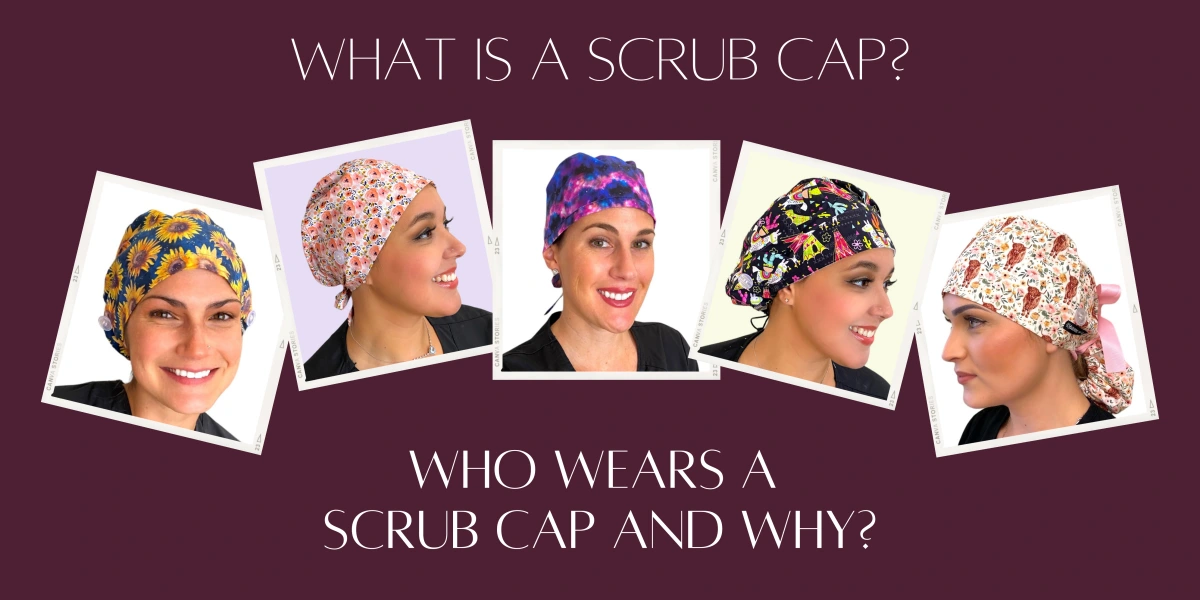
A scrub cap is a PPE head covering. That single function carries more clinical weight than most people realize.
Its job is to contain hair and cut down contamination risk. Scrub caps are standard issue across sterile and high-hygiene clinical environments: operating rooms, ICUs, and procedure rooms. In these spaces, airborne microorganisms can mean the difference between a clean recovery and a hospital-acquired infection.
Here’s why scrub caps matter. Hair and scalp shed microorganisms into the air. Without a proper barrier, those particles drift into surgical sites, open wounds, and implantable devices. This leads to nosocomial infections — ones that are preventable. A scrub cap stops that chain of contamination before it starts.
Design, Coverage, and Materials
Not all scrub caps are built the same. The two most common styles are:
-
Skull caps (fitted style) — Sit close to the head with minimal bulk. Surgeons tend to prefer these. Some wear them under additional OR head coverings.
-
Bouffant scrub caps — Larger and roomier to fit long or thick hair. These are the top pick for nurses, surgical techs, and anyone with high-volume hair who needs solid containment without sacrificing comfort.
Most caps use 100% cotton for breathability. That’s a real priority during multi-hour procedures or back-to-back shifts. You’ll also find two distinct categories in clinical settings:
-
Disposable (paper/nonwoven) caps — Single-use, discarded after each procedure to stop bacterial buildup.
-
Reusable cloth caps — Washable and often personalized with colors or patterns for role identification. The tradeoff? Research shows reusable cloth caps carry higher colony-forming units (CFUs) and larger bacterial colonies than disposable paper caps under standard laundering conditions. A higher bacterial load raises the risk of surgical site infection. This gets worse if laundering protocols aren’t followed with care.
Who Wears Scrub Caps — and When
Scrub caps aren’t exclusive to the OR. Nurses, physicians, and technicians wear them across general clinical settings — any environment where hair contamination poses an infection risk.
One key point: scrub caps used in routine clinical work don’t need to be sterile. They need to be clean, intact, and changed at regular intervals. That standard shifts the moment you enter an operating theatre, where stricter aseptic rules apply. At that point, surgical caps come into play — and that’s a separate conversation.
What Is a Surgical Cap?

The operating room has zero tolerance for shortcuts — Surgical caps exist for exactly that reason.
A surgical cap is a head covering built for operating theatres and procedural rooms. Its job is simple and non-negotiable: contain hair, scalp particles, and pathogens to keep the sterile field clean. Every design choice — materials, fit, coverage — serves that one purpose.
You’ll see surgical caps listed under several names in clinical settings: bouffant cap, isolation cap, medical procedure cap, OR cap. Different names, same job.
Materials and Construction
Most disposable surgical caps use non-woven polypropylene (SMS or SMMS fabric) — light, breathable, and liquid-resistant. Some single-use versions use reinforced paper instead. Reusable surgical caps use woven fabric and need proper laundering after each use. No exceptions.
Standard specs for disposable surgical caps:
-
Weight: 10–25 g (light enough for all-day wear)
-
Closure: elastic band, or elastic with adjustable straps
-
Fluid resistance: blocks liquid penetration
-
Breathability: non-absorbent, stops heat from building up
-
Allergen profile: latex-free and hypoallergenic
-
Colors: blue or green for easy visual identification
Coverage Standards and Proper Fit
A surgical cap doesn’t just sit on your head — it must cover the front hairline, back hairline, and upper ears in full. Any exposed hair breaks the containment barrier. Many hospital protocols and MSF guidelines require surgical caps for all operating theatre staff, no exceptions.
Wearing protocol matters just as much as the cap itself:
-
Wash your hands before putting the cap on
-
Tuck every strand of hair inside
-
Replace the cap right away if it gets soiled or dropped
-
Never share caps between staff members
-
Dispose of single-use caps after each procedure
One Thing Worth Knowing
Current evidence reviews find no definitive proof that one surgical headwear style cuts surgical site infection (SSI) rates more than another — and that surprises a lot of clinicians. The style matters less than consistent, correct use. A bouffant cap worn loosely gives less protection than a well-fitted skull cap worn right, every single time.
Reusable caps that get contaminated during a procedure fall under OSHA rules — home laundering is not allowed. The employer must provide laundering at no cost to the staff member.
Scrub Cap vs Surgical Cap: What’s the Real Difference?
The distinction comes down to one word: sterility.
Materials, coverage design, disposal protocols — all of it follows from that single divide. A scrub cap keeps hair out of the way during a 12-hour ward shift. A surgical cap creates a barrier between your scalp and an open surgical field. Same head. Totally different standard.
Here’s the breakdown that matters.
Sterility: The Line That Separates Them
Scrub caps are clean, not sterile. That’s the standard across most hospital policies — visibly clean, freshly laundered, changed between shifts. For a ward environment, that’s enough.
Surgical caps sit in a different category. They must be sterile before entering the OR. Most come sealed in sterile packs and get opened right before use. That’s not a preference — it’s an infection control requirement.
Step into an operating theatre, and the scrub cap in your locker no longer qualifies.
Coverage: How Much Containment Each Cap Provides
Scrub caps focus on hair containment with reasonable comfort. Ponytail scrub caps, bouffant scrub caps , patterned cloth skull caps — these designs allow some flexibility. Ears and the lower neck may be left exposed. That’s fine in general clinical zones.
Surgical caps are built for maximum containment. The fit wraps tight around the front hairline, covers the upper ears, and closes the gap at the back of the head. No stray hair. No exposed scalp. Some high-risk procedures call for surgical hoods — full head and neck coverage — pushing containment even further.
The visual difference looks small. The functional difference is not.
Materials and Reusability: Where Infection Risk Hides
This is where the data gets important.
Scrub caps are soft cotton or poly-cotton cloth — reusable, washable, swapped out when worn. Practical, yes. But reusable cloth caps carry real risk. Studies comparing reusable cloth scrub caps against disposable paper caps found higher bacterial colony-forming units (CFUs) and higher bacterial growth rankings on cloth caps when laundering wasn’t strictly controlled.
That’s not a theoretical concern. It’s a real contamination gap that builds across multiple shifts.
Surgical caps are almost always disposable nonwoven material — SMS or SMMS Polypropylene fabric. You wear them once, then discard them after a single procedure. Some surgical cap materials are rated for less than 24 hours of wear before disposal is required.
The logic is straightforward: no reuse, no buildup.
What the Research Shows?
Here’s something that surprises most clinicians:
Within sterile surgical cap categories, the style you pick — bouffant vs skull cap — doesn’t produce a measurable difference in surgical site infection (SSI) rates. One large series of over 15,000 Class I procedures reported SSI rates of 8% for Bouffant caps versus 5% for skull caps. After adjustment, that difference didn’t hold up statistically.
Separate particle-shedding research found that bouffant surgical caps showed higher microbial air shedding and greater permeability than fabric skull caps. Larger pore sizes mean less filtration, not more.
The takeaway: correct use beats cap style, every time.
The Practical Decision Matrix
|
Factor |
Scrub Cap |
Surgical Cap |
|---|---|---|
|
Sterility required |
No — clean only |
Yes — sterile for OR |
|
Use environment |
Wards, clinics, procedure rooms |
Operating room, sterile procedures |
|
Material |
Reusable cloth |
Disposable nonwoven |
|
Hair coverage |
Hair containment; ears may be exposed |
Full hairline, ears covered |
|
Lifespan |
Multiple shifts |
Single procedure |
|
Bacterial load risk |
Higher if laundering is inconsistent |
Lower with single-use disposal |
The scrub cap vs surgical cap question isn’t a style debate. It’s a protocol question — and your environment gives you the answer.
Quick Comparison Table: Scrub Cap vs Surgical Cap
Five factors determine which cap belongs on your head. Here they are, side by side.
|
Factor |
Scrub Cap |
Surgical Cap |
|---|---|---|
|
Typical Setting |
Wards, clinics, and outpatient care |
Operating room, sterile procedures |
|
Primary Purpose |
Comfort + basic hair containment |
Contamination control in sterile field |
|
Sterility Required |
No — clean use |
Yes — sterile intent required |
|
Material |
Reusable cotton or poly-cotton |
Disposable nonwoven fabric |
|
Coverage |
Hair and crown; ponytail, bouffant, tie-back variants |
Full hairline and ears; bouffant or hood styles |
|
Best For |
Nurses, ward doctors, general staff |
Surgeons, anesthesiologists, scrub techs |
|
Color/Design |
Personalized, patterned |
Solid blue or green for OR use |
|
Use Cycle |
Multiple shifts, regular laundering |
Single procedure, then discard |
Not sure which style fits your role? Pick what matches your situation:
-
Reusable, multi-shift use → cloth scrub cap
-
Single-use sterile workflow → disposable surgical cap
-
Long or thick hair → bouffant scrub cap or surgical hood
-
Adjustable fit → tie-back or ponytail scrub cap
Scrub Cap Vs Surgical Cap: Which One Should You Choose?

Your work environment makes this decision for you — nearly all the way.
The cap needs to match the infection control standard of the space you work in. Get that right, and everything else falls into place. Get it wrong, and you’re either under-protected in a sterile field or overcomplicating things for a routine ward shift.
Here’s how to think through it.
Match the Cap to Your Clinical Environment
OR, sterile procedures, or any instrumented surgical setting — disposable surgical cap. No debate. The sterile field requirement is not something your facility can skip. You need full hairline coverage, ear coverage, and a single-use nonwoven cap pulled from a sterile pack before you scrub in.
General nursing, outpatient care, ICU, or procedural rooms outside the OR — a reusable scrub cap does the job. Clean, freshly washed, and changed after each shift. That’s the standard. A well-maintained cloth scrub cap meets it without issue.
Most people get tripped up by thinking this is a style question. It’s not. It’s an environmental question.
Factor In Your Hair Volume and Fit
Match the cap type to your setting first. Then look at fit.
-
Long or thick hair → bouffant scrub cap or surgical bouffant cap. These give you the space you need. No awkward tuck that loosens mid-shift.
-
Short hair or a close fit preference → fitted skull cap. Less bulk, stays in place, popular with surgeons for exactly that reason.
-
Hair tied back during shifts → ponytail scrub cap. The rear opening holds the ponytail in place without the cap riding up.
-
High-coverage OR requirement → surgical hood. Full head and neck coverage. Some facilities require this for high-risk procedures.
Consider Your Laundering Habits — Be Honest
This matters more than most people want to admit.
Reusable cloth scrub caps are practical and cost-effective. But that’s only true with consistent, thorough laundering. The research is clear: under standard home washing conditions, reusable caps carry higher colony-forming units than disposable options. An irregular washing routine lets bacterial load build up across shifts. At that point, the cap stops doing its job.
Wash after every shift. Store caps clean and dry. Do that without fail, and reusable scrub caps are a solid choice. That routine is hard to keep up? Go with Single-use disposable caps — even outside the OR.
The Short Version
|
Your Situation |
Right Choice |
|---|---|
|
OR or sterile procedures |
Disposable surgical bouffant cap |
|
General ward or clinic |
Reusable cloth scrub cap |
|
Long or thick hair |
Bouffant scrub cap or surgical hood |
|
Short hair, close fit preferred |
Fitted skull cap |
|
Ponytail wearer |
Ponytail scrub cap |
|
Inconsistent laundering access |
Single-use disposable cap |
One last thing worth knowing: within the surgical cap category, bouffant versus skull cap makes no meaningful difference in surgical site infection rates across large procedure series. What actually moves the needle is consistent, correct use. A cap worn right, every single time, beats any specific style worn without care.
Pick the cap that fits your environment, your hair, and your real workflow. Wear it the right way. That’s the whole decision.
Frequently Asked Questions About Scrub Cap and Surgical Cap
Clinicians and buyers ask the same questions about scrub caps and surgical caps over and over. Here are the ones that come up most.
Can I wear my scrub cap in the OR?
It depends on your facility’s policy — but in most cases, no. Standard cloth scrub caps don’t meet OR sterility requirements. Most ORs require disposable nonwoven surgical caps from sealed sterile packs. Check your hospital’s dress code first. Don’t assume your ward cap will pass the scrub sink inspection.
What’s the difference between a bouffant scrub cap and a surgical bouffant cap?
The design looks almost the same. The difference comes down to material and intended use. A bouffant scrub cap is reusable cotton or poly-cotton — built for ward and clinic wear. A surgical bouffant cap uses disposable nonwoven fabric. It’s rated for single-procedure use inside a sterile field. Same silhouette, different standard.
Do scrub caps reduce infection risk?
Yes — but how you use them matters more than which style you pick. Research confirms that bouffant caps and skull caps produce no meaningful difference in surgical site infection rates. What makes the real difference is wearing the cap the right way, every single shift.
What scrub cap works best for long hair?
A bouffant scrub cap or ponytail scrub cap handles high hair volume well. You won’t deal with that awkward mid-shift tuck failure. For OR use with long or thick hair, a surgical hood gives you the fullest coverage.
Are reusable scrub caps safe?
Yes — with strict laundering. Studies show reusable cloth caps carry higher bacterial counts than disposable options under standard home washing. Wash yours after every shift. Store them clean and dry. Skip that routine too often, and single-use disposable caps become the safer, more reliable choice.
Do nurses wear scrub caps or surgical caps?
Both — it depends on where they work. Nurses in general wards, ICUs, and outpatient settings wear reusable nurse scrub caps. Nurses inside the OR wear disposable non-woven surgical caps that meet sterile field requirements.
Conclusion

Choosing between a scrub cap and a surgical cap isn’t complicated. You just need to know what each one is designed to do.
Scrub caps fit general clinical environments. They’re comfortable and leave room for personal expression. Surgical caps — the bouffant scrub cap style in particular — are built for sterile OR settings. Infection control is non-negotiable. Knowing the difference protects your patients. It keeps you compliant with facility standards. And you’ll never be scrambling for the right headwear before a procedure.
The bottom line: match your cap to your environment, not just your preference.
Ready to find the right fit? Browse Morntrip.com ‘s full collection of medical headwear. You’ll find everything from ponytail scrub caps to surgical bouffants — built for healthcare professionals who won’t compromise on quality or compliance.
The right cap doesn’t just cover your head. It signals that you take your role with full commitment.





